

The History of Gafta
Gafta has played a significant role in the development of international grain and feed trade for over 140 years. This page explores the evolution of the association, key mile stones, and how global commodity trading has changed over time.
Early History of the Grain Trade Association
Gafta was originally established in 1878 as the London Corn Trade Association (LCTA), during a period of rapid expansion in international agriculture trade.
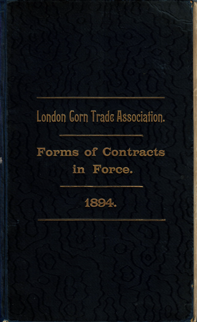
The introduction of early contract forms marked a major step forward in creating consistency and reducing risk in cross-border trading.
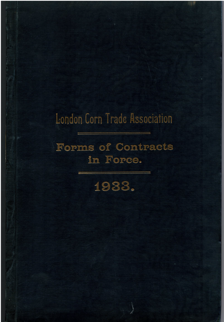
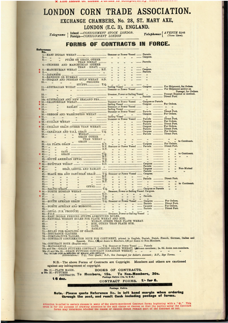
Historic documents preserved by Gafta illustrate how these agreements were structured and how trade practices have evolved.
 |
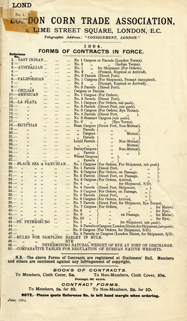 |
| Forms of Contracts (1894) | |
Evolution of Commodity Contracts
The development of standard trade contracts has been central to Gafta's role in the industry. Over time, these contracts have evolved to:
- Reflect increasing complexity in global markets
- Improve clarity in international transactions
- Support efficient dispute resolution through arbitration
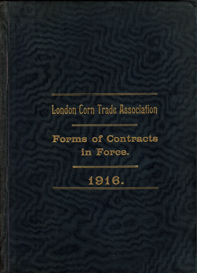
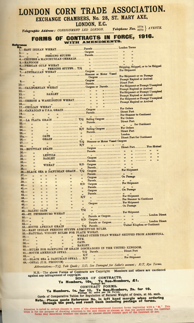
By the early 20th century, contract formats had already begun to change significantly, mirroring the growth of global trade networks.
 |
 |
 |
 |
|
| Forms of Contracts (1916) | Forms of Contracts (1933) | |||
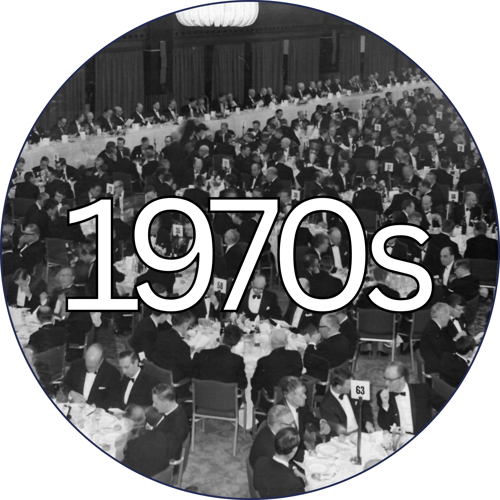
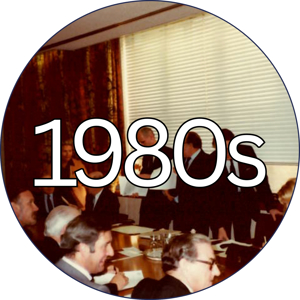
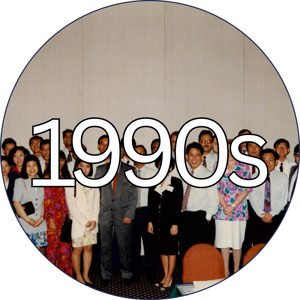
Explore Gafta History by Decade
Learn more about how Gafta has evolved over the years:
 |
  |
 |
Personal Reflections
Gafta's history is not only defined by contracts and institutions, but also by the people who shaped the industry. First hand accounts and reflections from experienced traders and arbitrators provide valuable insight into the development of the global grain trade over recent decades.
Read Cyril Carr's personal reflections on the grain trade 1970-2022.